

B2B Ecommerce Development: Simplify Complex Sales
Key Takeaways
- B2B ecommerce development turns complex sales processes into streamlined digital experiences.
- Small businesses need platforms that handle bulk pricing, custom quotes, and multi-user accounts.
- The right B2B ecommerce solutions integrate with your existing ERP and CRM tools.
- Mobile-first design and self-service portals reduce support costs and accelerate buyer decisions.
- Start with a clear roadmap. Test early. Scale with confidence.
Introduction
I watched a small industrial parts supplier lose three major clients last year. The reason was not price or product quality. Their ordering process was simply too slow. Buyers had to call during business hours, wait for quotes, and fax purchase orders. Their competitors offered instant online ordering.
This is why B2B ecommerce development matters for small businesses today. Your buyers are already researching online. They expect the same convenience they get from Amazon, but with the complexity their business demands. A well-built B2B ecommerce platform does not just list products. It handles tiered pricing, approval workflows, and bulk orders without drowning your team in manual work.
For startups and service-based small businesses in the USA, the opportunity is massive. B2B ecommerce website development lets you compete with larger players while keeping operations lean. This guide breaks down what you need, how to choose solutions, and where to start without breaking your budget.
What Makes B2B Ecommerce Development Different
B2B transactions are not simple one-click purchases. They involve negotiation, volume discounts, and multiple stakeholders. Your platform must reflect this reality.
Complex Buying Cycles
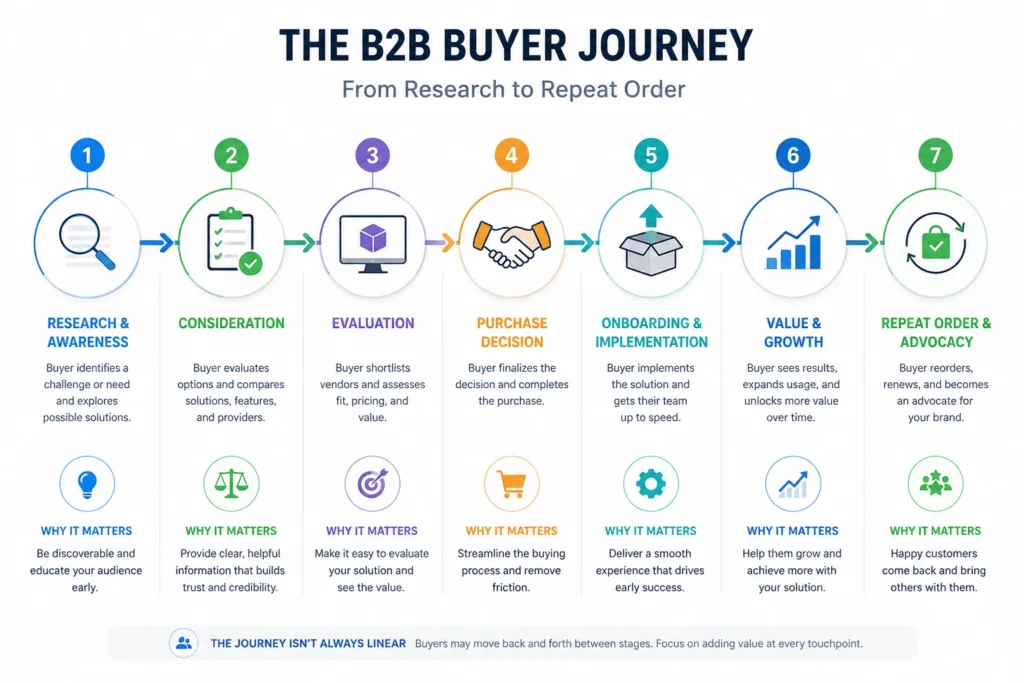
A typical B2B buyer researches for weeks before contacting a supplier. According to Gartner, 77% of B2B buyers describe their latest purchase as complex or difficult. Your website must support this journey with detailed product specs, comparison tools, and easy reordering.
Bulk Pricing and Custom Quotes
Unlike B2C, B2B buyers expect personalized pricing. Your B2B ecommerce solutions should display customer-specific rates after login. They should also allow quick quote requests for custom orders. This keeps sensitive pricing private while speeding up negotiations.
Choosing the Right B2B Ecommerce Platform
Not all platforms handle B2B complexity out of the box. Small businesses need tools that grow with them without requiring a full-time developer.
| Feature | Why It Matters | What to Look For |
|---|---|---|
| User Role Management | Buyers need approval chains | Multi-level accounts with permissions |
| ERP Integration | Avoid double data entry | Pre-built connectors for QuickBooks, NetSuite |
| Custom Pricing | Different clients see different rates | Customer-specific price lists |
| Mobile Responsiveness | Buyers order from job sites | Fast load times on all devices |
| Self-Service Portal | Reduces support tickets | Order history, invoice downloads, tracking |
Popular options include Shopify Plus, BigCommerce B2B Edition, and Adobe Commerce. Each offers different levels of customization. For most small businesses, a hosted B2B ecommerce platform reduces technical overhead and lets you focus on sales.
B2B ecommerce platform comparison guide
B2B Ecommerce Solutions That Simplify Complexity
The best technology hides complexity from the user. Here is how modern tools make B2B selling easier for small teams.
Automated Workflows
Manual quote approvals drain time. Automated workflows route requests to the right person instantly. When a buyer submits a large order, the system checks inventory, applies pre-negotiated pricing, and sends the quote without human intervention. This cuts response time from days to minutes.
Self-Service Portfolios
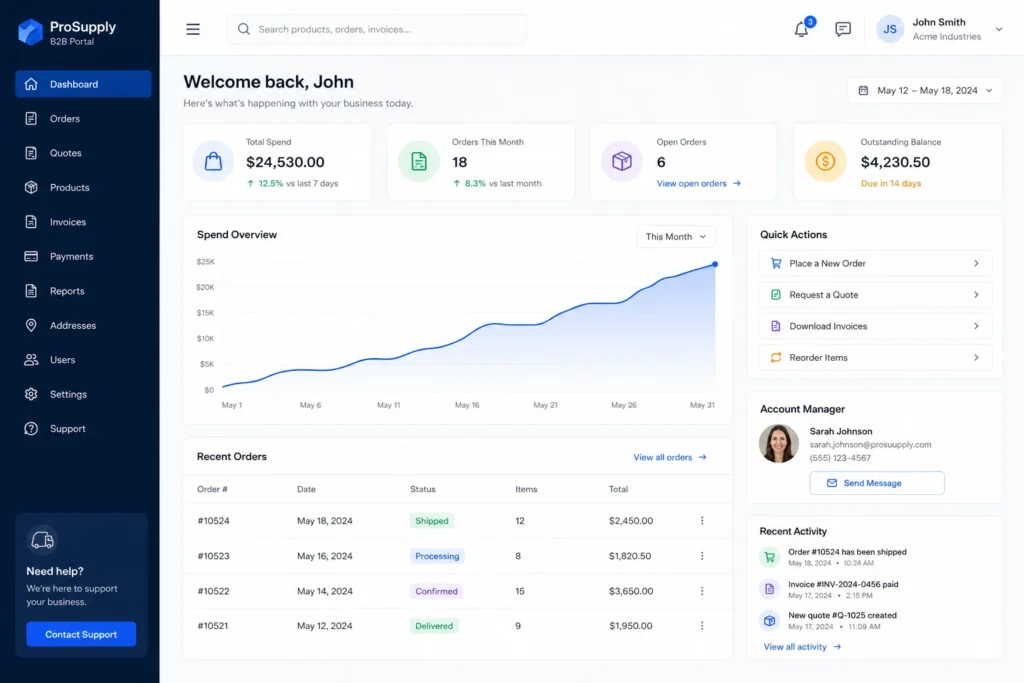
Modern buyers do not want to call for order status. A self-service portal lets them check inventory, download invoices, and reorder favorites at midnight. McKinsey research shows that 70% of B2B decision makers are open to making new purchases fully through self-service models. This is a huge win for small businesses with limited support staff.
B2B Ecommerce Website Development Best Practices
Building a B2B site requires a different mindset than building a retail store. Here are the practices that separate successful launches from costly rebuilds.
Start with Mobile-First Design
Your buyers are not sitting at desks. They are on warehouse floors, at job sites, and in between meetings. A mobile-first approach ensures your catalog, quotes, and checkout work flawlessly on phones and tablets. Google also prioritizes mobile-friendly sites in search rankings, which helps your organic visibility.
Integrate with ERP and CRM Systems
Data silos kill efficiency. Your B2B ecommerce website development project should connect directly to your accounting and customer management tools. This means inventory levels update in real time. Customer records stay synced. Your team stops copying data between spreadsheets.
ERP integration checklist for small businesses
Optimize for Voice Search
Voice search is growing in B2B research. Buyers ask Siri or Alexa questions like “What is the best B2B ecommerce platform for small manufacturers?” To capture this traffic, write clear, conversational answers to common questions. Use natural language and structured headers. This article itself follows that pattern.
What Is B2B Ecommerce Development and Why Does It Matter
B2B ecommerce development is the process of building digital platforms that allow businesses to sell products or services to other businesses online. It matters because your buyers now expect 24/7 access, instant pricing, and seamless reordering. Without it, you risk losing deals to competitors who offer a faster, smoother experience.
Frequently Asked Questions
What is B2B ecommerce development?
B2B ecommerce development is the creation of online platforms designed specifically for business-to-business transactions. Unlike standard online stores, these platforms handle complex features such as bulk ordering, tiered pricing, quote requests, and multi-user approval workflows.
How do I choose a B2B ecommerce platform?
Start by listing your must-have features. Do you need custom pricing? ERP integration? Multi-user accounts? Test platforms with free trials. Prioritize tools that offer strong support and pre-built integrations for small business software like QuickBooks or Salesforce.
Why does B2B ecommerce need custom pricing?
B2B relationships are negotiated. Each client may have unique contract terms, volume commitments, and payment schedules. Custom pricing ensures buyers see accurate rates after logging in. This protects margins and maintains trust.
How much does B2B ecommerce website development cost?
Costs vary widely. A basic setup on a hosted platform like Shopify Plus or BigCommerce can start around $5,000 to $15,000. Custom builds on Adobe Commerce or headless architectures can exceed $50,000. Small businesses should start with a minimum viable product and expand based on demand.
What are the best B2B ecommerce solutions for startups?
Startups should look for scalable, hosted platforms with low technical barriers. Shopify Plus, BigCommerce B2B Edition, and WooCommerce with B2B plugins are solid starting points. Focus on core features first: catalog management, customer-specific pricing, and basic integrations.
Conclusion
B2B ecommerce development is no longer a luxury for large distributors. It is a competitive necessity for small businesses, manufacturers, and service providers across the USA. The right B2B ecommerce platform transforms your complex sales process into a smooth, automated experience that buyers actually enjoy.
You do not need a massive budget to start. You need a clear plan, the right B2B ecommerce solutions, and a willingness to let technology handle the repetitive work. Begin with a platform that fits your current size. Integrate your key tools. Launch with core features. Then iterate based on real customer feedback.
Ready to modernize your sales process? and discover how simple your complex sales can become.
Author Note: This article was written for small business owners and startup founders exploring digital transformation. All statistics cited reflect publicly available research from Gartner and McKinsey as of 2026.
Related Posts
Local SEO for Service Businesses: Full Guide
Local SEO for Service Businesses: Full Guide Key Takeaways 46% of all Google searches carry local intent, and...
Read More
webshop
October 23, 2026
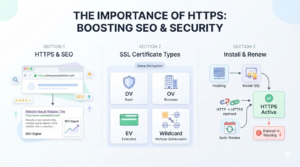
SSL Certificate and HTTPS: Why They Matter
SSL Certificate and HTTPS: Why They Matter Key Takeaways Starting with Chrome 154 in October 2026, Chrome will...
Read More
webshop
October 21, 2026
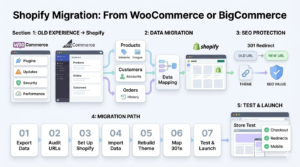
Shopify Migration: From WooCommerce or BigCommerce
Shopify Migration: From WooCommerce or BigCommerce Key Takeaways Most WooCommerce stores accumulate 20 to 60 active plugins by the...
Read More
webshop
October 19, 2026